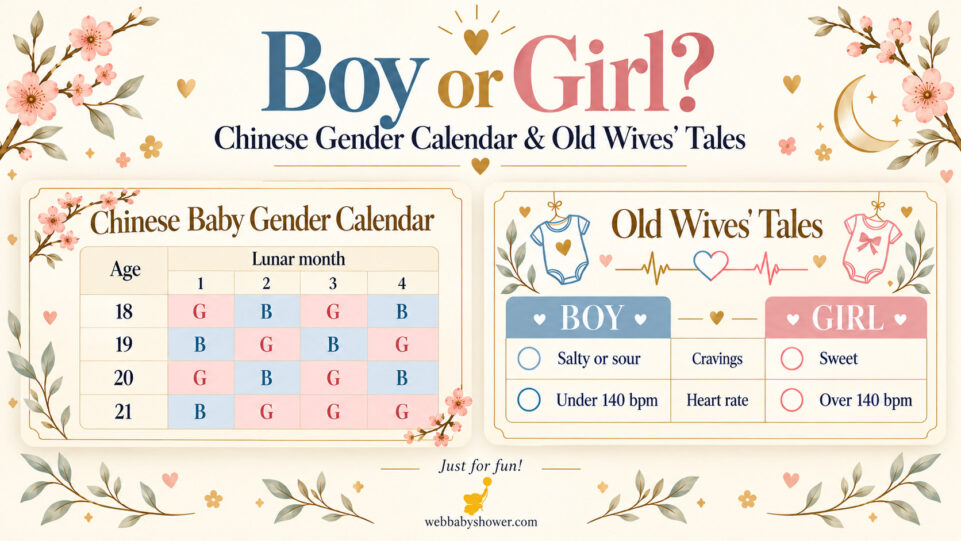
Waiting for that anatomy scan after seeing the positive sign on a pregnancy test can feel like forever, right? You start reading into every little thing your body does—like, does craving lemons mean anything? And what’s up with that breakout? This is prime time for old-school gender prediction fun.
These tales let you play the boy-or-girl guessing game, even though there’s zero science backing them up. Sure, modern medicine’s come a long way, but who doesn’t love an early peek? Some parents dive into those quirky old wives’ tales, while others chill and wait for the official test.
Either way, it’s all part of the journey. Let’s check out the most popular folk methods, those “almost scientific” theories, and the real-deal medical tests that give you a definite answer.
Why we love gender prediction folklore
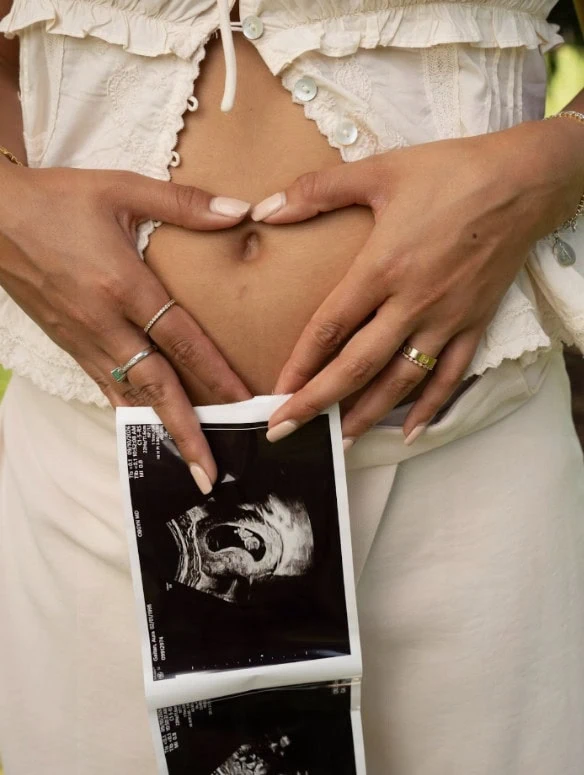
The curiosity gap between conception and the anatomy scan
Your baby’s biological sex is set at conception. It already exists, but you can’t see it for months. Doctors have to wait for certain developmental milestones before they can tell you anything with confidence, and in the meantime the brain goes looking for patterns. That’s why so many parents start hunting for early gender prediction signs long before the first scan.
Guessing is really about bonding

Most people who try these methods aren’t looking for medical certainty. They’re looking for a way to feel connected. Comparing notes with friends, running a gender reveal quiz at a party, or collecting gender guess ideas from relatives all help make the baby feel real. The wait becomes something the whole family shares, and everyone gets to feel involved before the baby arrives.
Classic observation myths: what your body “tells” you
Carrying high or low: does belly shape reveal the gender?

One of the most stubborn myths says a high bump means a girl and a low bump means a boy. The shape of your bump actually depends on your core muscle tone, the baby’s position, and your own build. It has nothing to do with the baby’s sex.
The “beauty stealer” myth: skin glow vs. pregnancy acne

According to folklore, a girl “steals” her mother’s beauty and causes breakouts, while a boy leaves her glowing. Pregnancy hormones do affect your skin, but how they affect it depends on your own body, not on whether you’re carrying a boy or a girl.
Morning sickness: are hormones linked to baby girls?

Some studies suggest that women carrying girls may have worse morning sickness because of higher levels of human chorionic gonadotropin (hCG). There’s a grain of biological truth here, but it isn’t a reliable test. Every pregnancy is different, and how sick you feel says very little about the baby’s sex.
Fetal heart rate: can beats per minute predict a boy or girl?
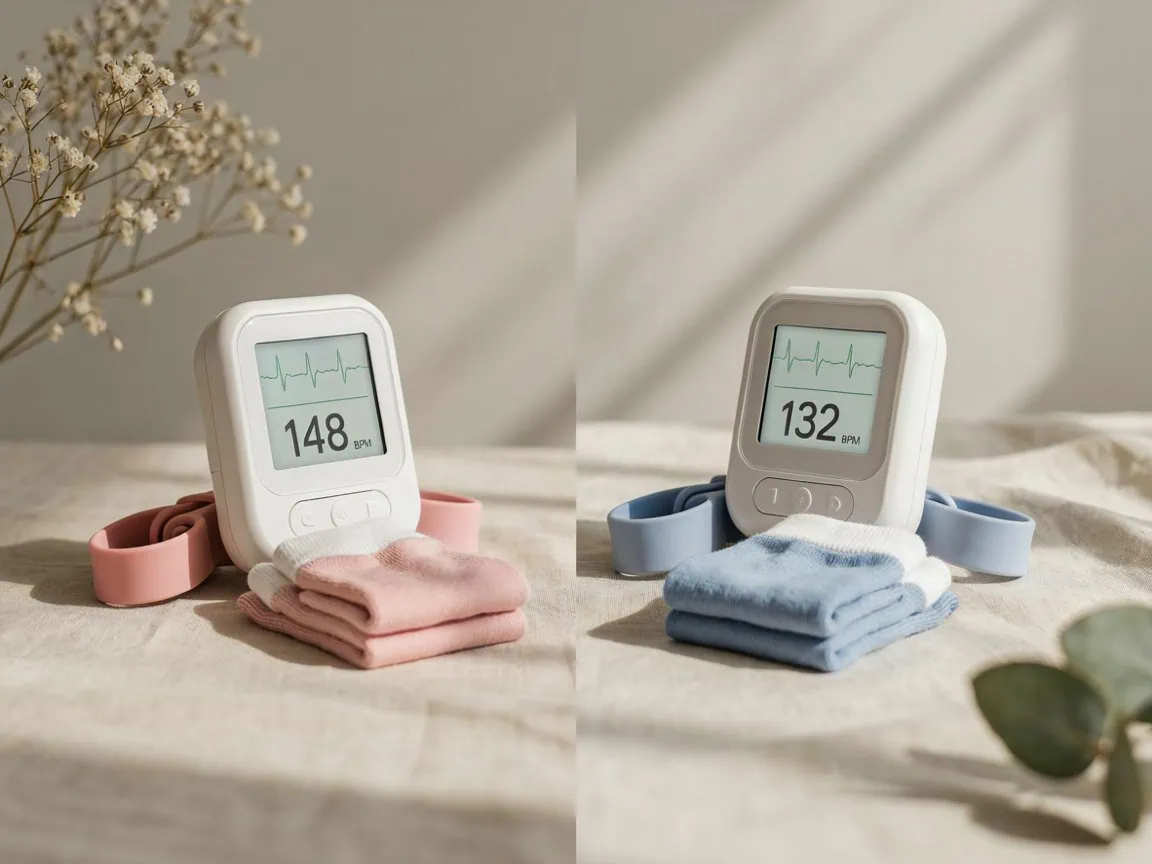
You’ve probably heard that a heart rate above 140 beats per minute means a girl and anything slower means a boy. Clinical evidence has debunked this many times over. A baby’s heart rate changes with movement and stage of development, so it tells you nothing about sex.
Linea nigra and other physical markers

Some people read the linea nigra (the dark line that runs down the belly) as a wives tales gender prediction sign, depending on whether it reaches above the navel. Like other skin changes in pregnancy, it’s caused by extra melanin from shifting hormones.
Cravings and appetite: the “sweet vs. salty” theory

Where cravings actually come from
The idea that craving sweets means a girl and craving salty or savory food means a boy is a pregnancy classic. Cravings usually reflect your body’s nutritional needs or the foods you find comforting. They aren’t linked to your baby’s chromosomes.
Dairy and citrus in folklore
Cravings for citrus or dairy have been given special meaning for centuries too. The evidence is anecdotal, and doctors don’t use it. It’s a fun topic for conversation, just not proof of anything.
Interactive DIY tests: kitchen science or pure superstition?
These are the tests people usually mean when they talk about boy or girl prediction signs for a gender reveal. They’re great party games and nothing more.
The wedding ring test (the ring swing)

Tie a wedding ring to a string and hold it over your belly. If it swings in a circle, folklore says one thing; if it swings in a straight line, it says the other. It’s a lovely baby shower activity, but the result is pure chance.
The baking soda test: waiting for the fizz

For this one, you mix your urine with baking soda. If it fizzes, the story goes, you’re having a boy. What you’re really doing is a rough pH test, and urine pH changes with your diet and how much water you drink, not with your baby’s sex.
The red cabbage test: a homemade pH indicator

The red cabbage test works the same way, using cabbage water to show pH changes. Like the baking soda test, it’s far too imprecise to tell you anything medical.
The key test and other at-home traditions
Whether it’s dropping a key or checking a calendar, these methods come from old superstition. They’re entertaining, but they work like a coin toss, so you’ll be right about half the time.
Ancient methods: the math of gender prediction
The Chinese baby prediction calendar: origins and accuracy
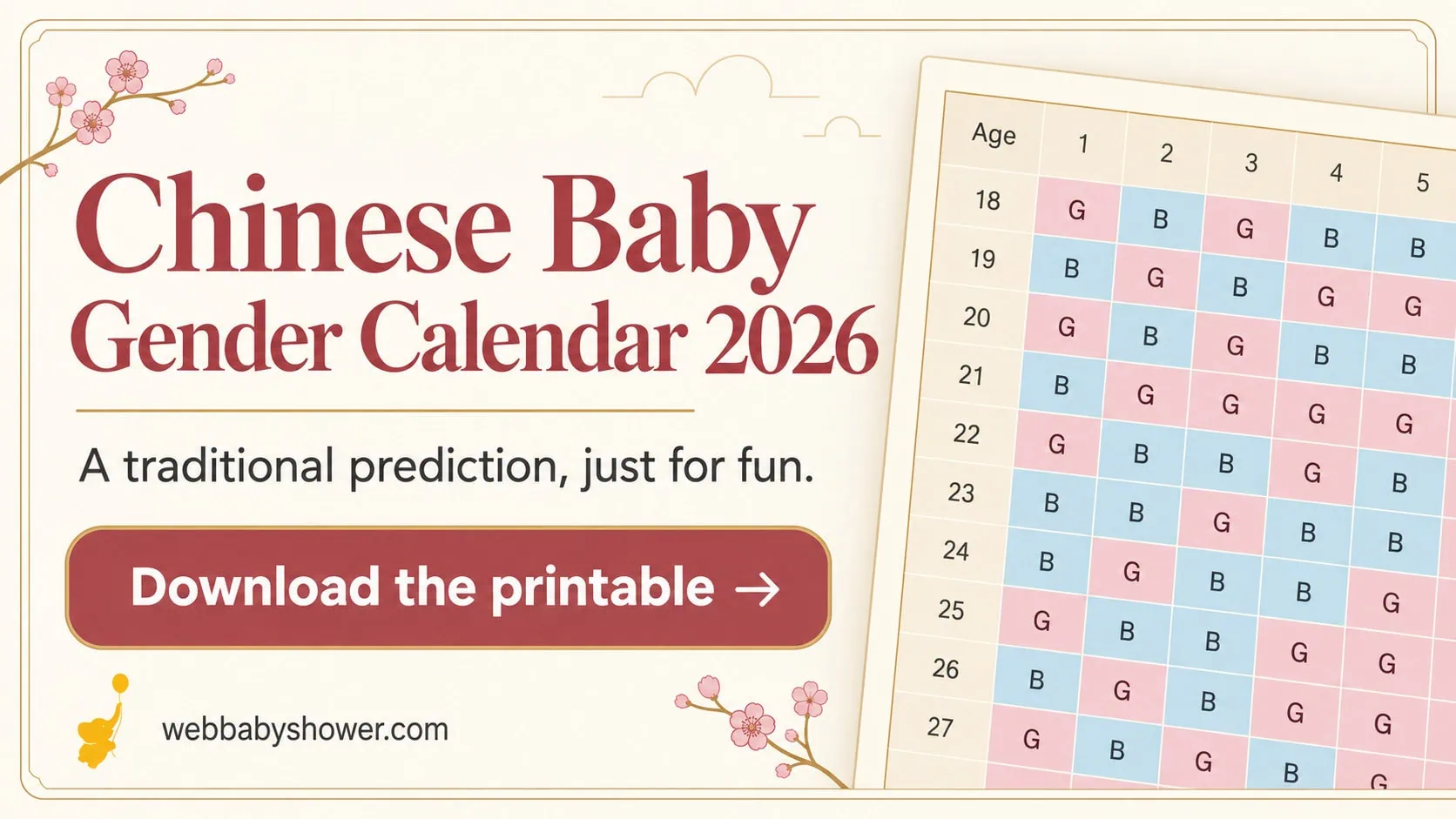
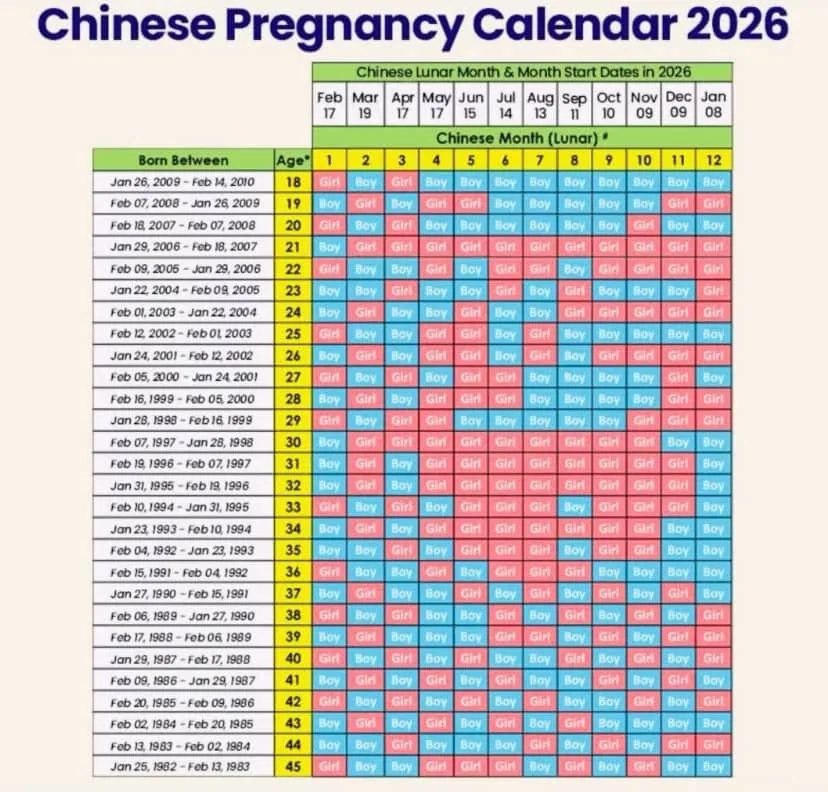
The Chinese gender prediction chart, often called the Chinese baby prediction calendar, is one of the best known tools for guessing a baby’s sex. It uses the mother’s age and the month of conception. If you’ve looked up a Chinese baby prediction calendar 2026 version, know that it’s no more accurate than flipping a coin, however old and mysterious its origins sound.
The Mayan gender system: age and year of conception
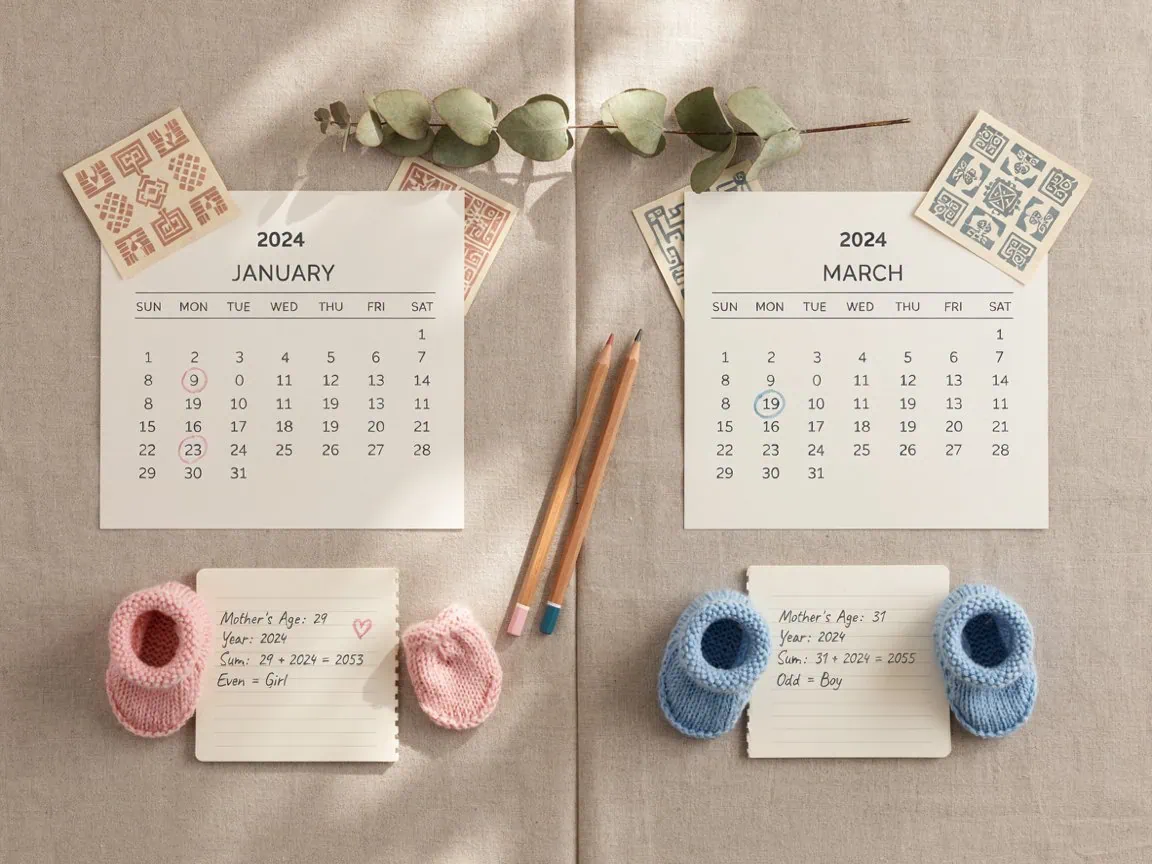
The Mayan method uses similar logic, based on the mother’s age and the year of conception. Systems like these are an interesting look at how earlier cultures thought about birth, but doctors don’t use them.
The “scientific-ish” theories: the gray area
The Ramzi theory: placenta position in early pregnancy

The Ramzi theory claims that where the placenta sits on an early ultrasound predicts gender: on the right for a boy, on the left for a girl. It’s controversial, and the medical community doesn’t accept it as an accurate prediction method.
The nub theory: looking at the genital tubercle at the 12-week scan
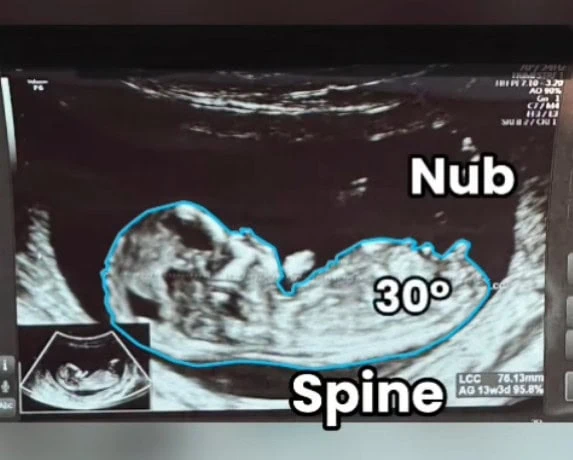
The nub theory looks at the genital tubercle on an ultrasound as early as 12 weeks. A sonographer can sometimes make an educated guess, but at that stage the genitals are still developing and look nearly identical. It’s never a guarantee.
The skull theory: can skull shape predict sex?
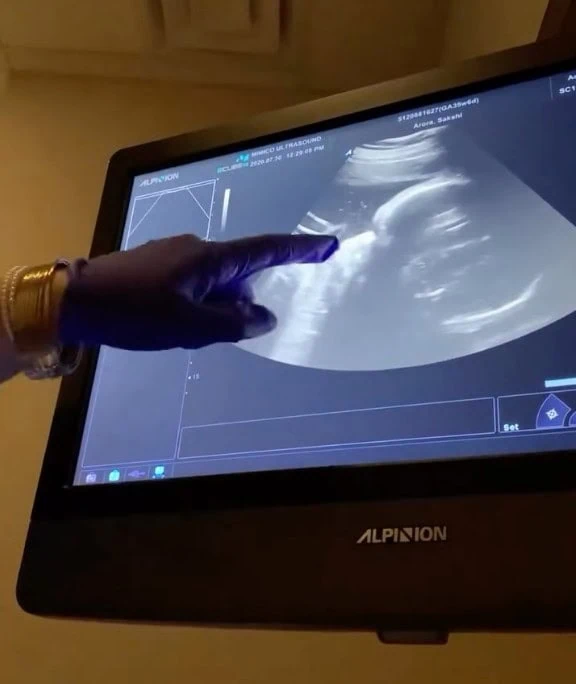
This theory says the shape of the baby’s skull, especially the jaw and brow, can show whether it’s a boy or a girl. The differences between male and female skulls aren’t distinct enough at the fetal stage to be read on an ultrasound, so this one is mostly speculation.
Why these methods spread on forums and Instagram
These theories travel fast on forums and social media. People post when their guess was right and rarely mention the times it was wrong. That makes the methods look far more accurate than they are.
Medical methods that actually tell you

The 20-week anatomy ultrasound
The 20-week anatomy scan is the standard way to see your baby’s sex. By then, the external genitals are fully formed and easy for a trained professional to see. Most parents find out this way.
NIPT blood tests and X/Y chromosomes
If you want an answer sooner, a noninvasive prenatal test (NIPT) is the most advanced option available. It analyzes cell-free DNA from the placenta in your blood and can detect a Y chromosome with over 99% accuracy as early as 10 weeks.
Diagnostic genetic testing: CVS and amniocentesis

Chorionic villus sampling (CVS) and amniocentesis are invasive procedures used mainly to check for chromosomal conditions. Because they test fetal DNA directly, they are 100% accurate for sex. They also carry a small risk of miscarriage, so doctors only recommend them for specific medical reasons, not to find out the gender.
Conclusion
Old wives’ tales are part of the fun of pregnancy. The ring test, the nub theory, and the rest give friends and family something to talk about and guess at while you wait. Just keep in mind that folklore and medical science are two different things.
Because these myths land right about half the time, they’re harmless as a game, but they aren’t based on biology. If you need a real answer, rely on an NIPT blood test or the anatomy ultrasound. Whichever way you find out, what matters most is that you and your baby are healthy. Enjoy the guessing while it lasts.
Disclaimer: The techniques are purely for fun and not based on science. These are age-old traditions, passed down through generations. Reliable confirmation of your baby’s sex can only be obtained through medical tests like an ultrasound or a blood test. For precise details, consult your healthcare specialist.
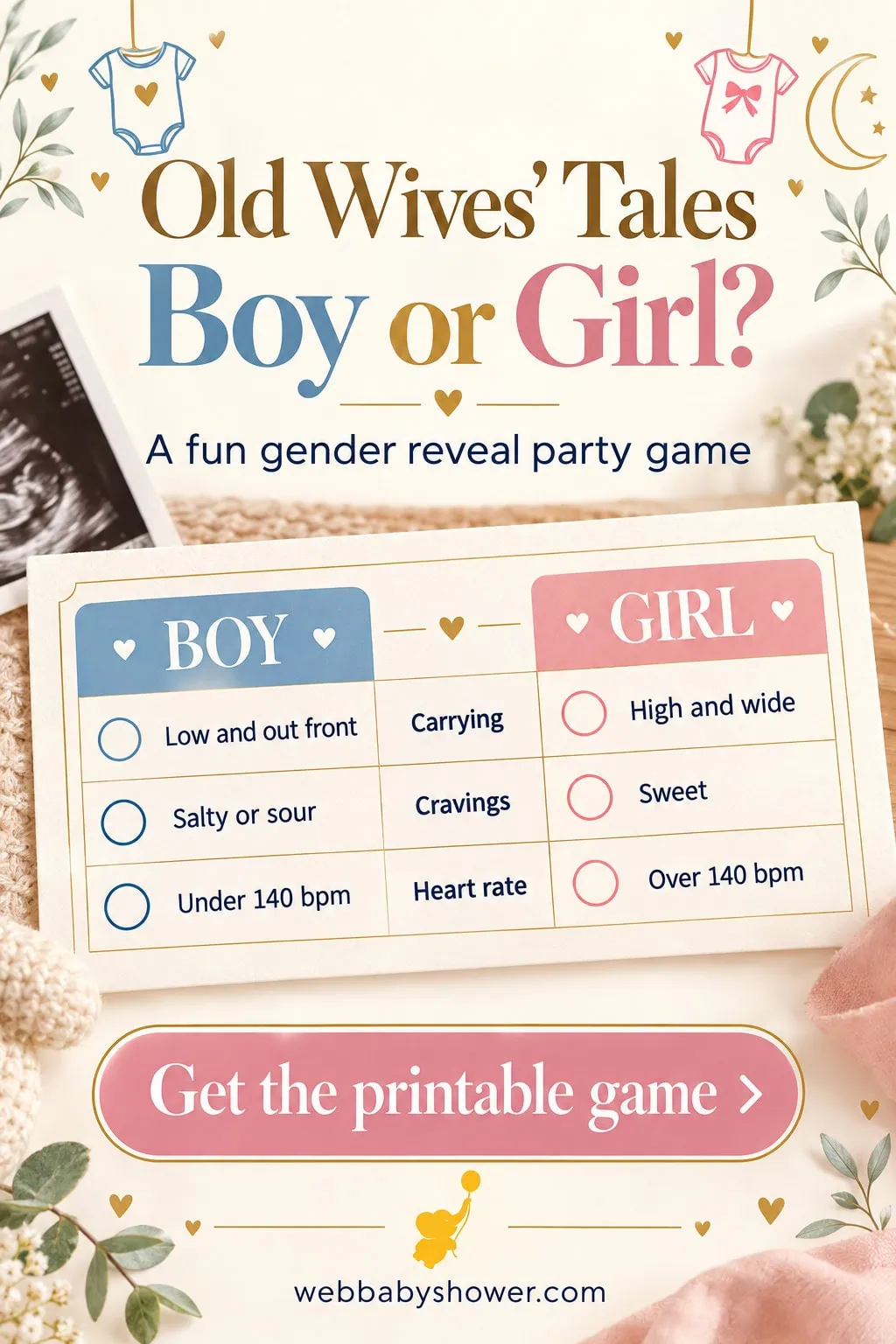
Want More Baby Gender Prediction Games?
Keep the guessing fun going with more old wives’ tales and playful ways to predict whether baby is a boy or girl. Explore these baby gender prediction games and see which guesses your guests get right!